
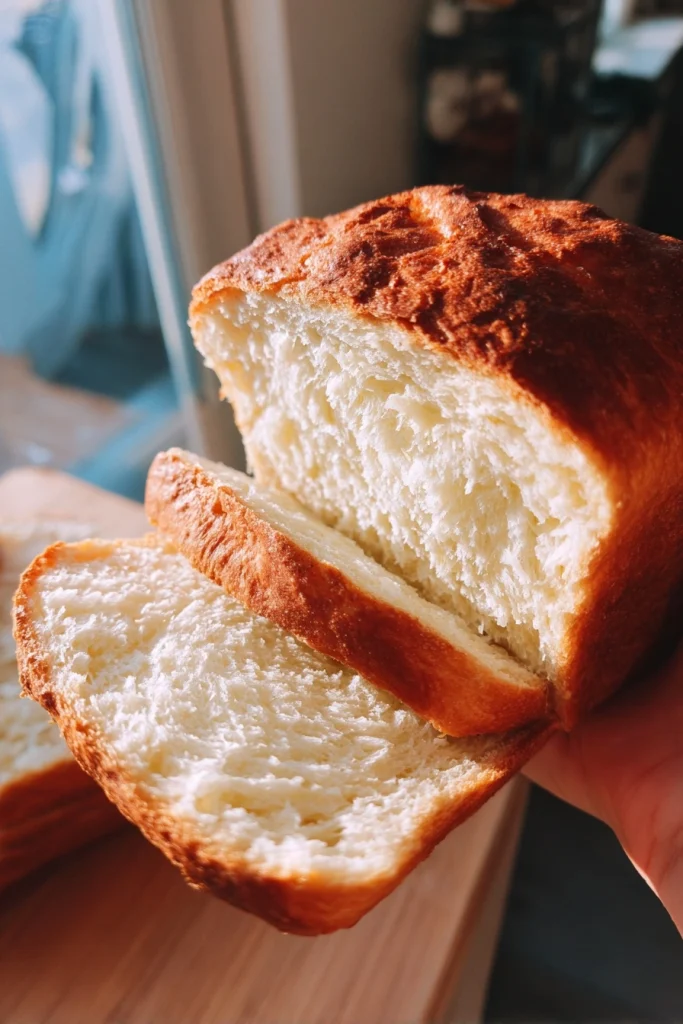
Introduction to Gluten-Free Potato Bread
Welcome to the world of gluten-free potato bread! If you’re juggling a busy schedule, this recipe is a lifesaver. It’s not just easy to make; it’s also delicious and perfect for impressing your loved ones. Let’s dive into this comforting dish that everyone can enjoy!
Ingredients for Gluten-Free Potato Bread
Gathering the right ingredients is key to making a delightful gluten-free potato bread. Here’s what you’ll need:
- Mashed Potatoes: The star of the show! They add moisture and a lovely texture. You can use leftover mashed potatoes or make them fresh.
- Gluten-Free All-Purpose Flour: This flour blend is essential for structure. Look for a brand that includes xanthan gum for better results.
- Potato Starch: This ingredient enhances the bread’s fluffiness. It’s different from flour, so don’t skip it!
- Olive Oil: Adds richness and helps keep the bread moist. You can substitute it with melted coconut oil if you prefer.
- Warm Water: Activates the yeast. Make sure it’s not too hot; you want it warm to the touch.
- Honey: A touch of sweetness that helps the yeast rise. Maple syrup can be a great alternative if you’re vegan.
- Salt: Enhances flavor. It’s a small but mighty ingredient that shouldn’t be overlooked.
- Active Dry Yeast: This is what makes the bread rise. Ensure it’s fresh for the best results.
For exact measurements, check the bottom of the article where you can find everything listed for easy printing!
How to Make Gluten-Free Potato Bread
Making gluten-free potato bread is a delightful journey! Follow these simple steps, and you’ll have a warm loaf ready to enjoy. Let’s get started!
Step 1: Preheat the Oven
First things first, preheat your oven to 375°F (190°C). This step is crucial because it ensures even baking. A hot oven helps the bread rise properly, giving it that perfect fluffy texture. Trust me, you don’t want to skip this part!
Step 2: Combine Dry Ingredients
In a large bowl, mix together the mashed potatoes, gluten-free flour, potato starch, and salt. Use a whisk to blend them well. This combination creates the foundation of your bread. The mashed potatoes add moisture, while the flour and starch provide structure. It’s like a cozy hug for your taste buds!
Step 3: Prepare the Yeast Mixture
In a separate bowl, combine the warm water and honey, then sprinkle the active dry yeast on top. Let it sit for about 5 minutes until it becomes frothy. This step is essential because it activates the yeast, which is the magic ingredient that makes your bread rise. You’ll know it’s ready when it looks bubbly and alive!
Step 4: Mix Wet and Dry Ingredients
Now, pour the yeast mixture and olive oil into the bowl with your dry ingredients. Stir everything together until a dough forms. It might be a bit sticky, but that’s okay! If it feels too dry, add a splash more warm water. This dough is the heart of your gluten-free potato bread!
Step 5: Let the Dough Rise
Transfer the dough to a greased loaf pan and cover it with a clean kitchen towel. Let it rise in a warm spot for about 30 minutes. This step is vital for achieving that light and airy texture. The dough should double in size, so be patient—it’s worth the wait!
Step 6: Bake the Bread
Once the dough has risen, pop it in the preheated oven. Bake for 30-35 minutes or until the top is golden brown. To check if it’s done, tap the bottom of the loaf; it should sound hollow. This is the moment you’ve been waiting for—your kitchen will smell heavenly!
Step 7: Cool and Serve
After baking, let the bread cool in the pan for about 10 minutes. Then, transfer it to a wire rack to cool completely. This step is important because slicing too soon can make the bread gummy. Once it’s cool, slice it up and serve it warm. Enjoy every bite of your homemade gluten-free potato bread!
Why You’ll Love This Gluten-Free Potato Bread
This gluten-free potato bread is a game-changer for busy moms and professionals alike. It’s quick to whip up, taking just about 50 minutes from start to finish. The taste? Absolutely delightful! With its soft, fluffy texture and subtle sweetness, it’s perfect for sandwiches or as a side. Plus, it’s a fantastic way to use up leftover mashed potatoes, making it both practical and delicious!
Tips for Success
- Always use fresh yeast for the best rise.
- Measure your ingredients accurately for consistent results.
- Let the dough rise in a warm, draft-free area.
- For extra flavor, consider adding herbs or spices to the dough.
- Store leftover bread in an airtight container to keep it fresh.
- Slice the bread only after it has completely cooled.
Equipment Needed
- Mixing Bowls: A large bowl for mixing ingredients. Any size will do, but a deep bowl helps prevent spills.
- Loaf Pan: A standard 9×5 inch loaf pan works best. You can use a round cake pan if needed.
- Whisk or Spoon: For mixing dry ingredients. A whisk helps blend them more thoroughly.
- Kitchen Towel: To cover the dough while it rises. A clean dishcloth works just as well.
- Wire Rack: For cooling the bread. If you don’t have one, a plate will suffice.
Variations of Gluten-Free Potato Bread
- Herb-Infused Bread: Add fresh or dried herbs like rosemary or thyme to the dough for a fragrant twist.
- Cheesy Delight: Mix in shredded cheese, such as cheddar or mozzarella, for a savory flavor that pairs perfectly with soups.
- Garlic Bread: Incorporate minced garlic into the dough for a delicious garlic bread variation. Serve it warm with butter!
- Sweet Potato Substitute: Swap out regular potatoes for sweet potatoes for a sweeter, nutrient-packed version.
- Nutty Addition: Fold in chopped nuts or seeds like sunflower seeds for added crunch and nutrition.
- Spicy Kick: Add a pinch of cayenne pepper or red pepper flakes for a spicy version that adds a zing to your meals.
Serving Suggestions for Gluten-Free Potato Bread
- Pair with a warm bowl of soup for a comforting meal.
- Spread with butter or olive oil for a simple yet delicious treat.
- Top with avocado and a sprinkle of salt for a healthy snack.
- Serve alongside a fresh salad for a light lunch.
- Toast slices for breakfast and add your favorite jam or honey.
FAQs about Gluten-Free Potato Bread
As you embark on your gluten-free potato bread journey, you might have a few questions. Here are some common queries I’ve encountered, along with helpful answers!
Can I use instant yeast instead of active dry yeast?
Absolutely! You can substitute instant yeast for active dry yeast. Just mix it directly with the dry ingredients without needing to activate it first. This can save you a bit of time!
How do I store leftover gluten-free potato bread?
To keep your bread fresh, store it in an airtight container at room temperature for up to three days. If you want to keep it longer, slice it and freeze it. Just pop it in the toaster when you’re ready to enjoy!
Can I make this bread dairy-free?
Yes! This gluten-free potato bread is naturally dairy-free. Just ensure that your gluten-free flour blend doesn’t contain any dairy ingredients. You can also use coconut oil instead of olive oil for a different flavor.
What can I do if my dough doesn’t rise?
If your dough doesn’t rise, it could be due to inactive yeast. Make sure your yeast is fresh and that the water is warm, not hot. If it’s too cold, the yeast won’t activate properly. Don’t lose hope; you can always try again!
Can I add other ingredients to the dough?
Definitely! Feel free to experiment with herbs, spices, or even cheese. Just remember that adding too many wet ingredients may affect the dough’s consistency. Start with small amounts and adjust as needed!
Final Thoughts
Making gluten-free potato bread is more than just a cooking task; it’s a joyful experience that brings warmth to your kitchen. The aroma of freshly baked bread fills the air, creating a cozy atmosphere that invites everyone to gather around the table. This recipe not only caters to dietary needs but also offers a delicious way to enjoy comfort food. Whether you’re sharing it with family or savoring a slice alone, each bite is a reminder that cooking can be simple, satisfying, and full of love. So roll up your sleeves and enjoy the delightful journey of baking!
PrintGluten-Free Potato Bread: Discover Easy, Delicious Recipes!

A simple and delicious recipe for gluten-free potato bread that is perfect for those with dietary restrictions.
- Prep Time: 15 minutes
- Cook Time: 35 minutes
- Total Time: 50 minutes
- Yield: 1 loaf 1x
- Category: Bread
- Method: Baking
- Cuisine: American
- Diet: Gluten Free
Ingredients
- 2 cups mashed potatoes
- 1 cup gluten-free all-purpose flour
- 1/2 cup potato starch
- 1/4 cup olive oil
- 1/4 cup warm water
- 1 tablespoon honey
- 1 teaspoon salt
- 1 tablespoon active dry yeast
Instructions
- Preheat the oven to 375°F (190°C).
- In a large bowl, combine the mashed potatoes, gluten-free flour, potato starch, and salt.
- In a separate bowl, mix the warm water, honey, and yeast. Let it sit for 5 minutes until frothy.
- Add the yeast mixture and olive oil to the dry ingredients and mix until a dough forms.
- Transfer the dough to a greased loaf pan and let it rise for 30 minutes.
- Bake in the preheated oven for 30-35 minutes or until golden brown.
- Allow to cool before slicing and serving.
Notes
- Ensure all ingredients are gluten-free.
- Store leftovers in an airtight container.
- This bread can be frozen for longer storage.
Nutrition
- Serving Size: 1 slice
- Calories: 150
- Sugar: 1g
- Sodium: 200mg
- Fat: 5g
- Saturated Fat: 1g
- Unsaturated Fat: 4g
- Trans Fat: 0g
- Carbohydrates: 25g
- Fiber: 2g
- Protein: 3g
- Cholesterol: 0mg